In today’s dynamic business environment, Human Resource Management Systems (HRMS) have become indispensable tools for optimizing HR operations, improving regulatory compliance, and enhancing overall workforce efficiency. As organizations continue to scale, enterprise HRMS solutions help streamline core HR functions such as payroll processing, attendance tracking, leave management, employee lifecycle monitoring, and workforce analytics.
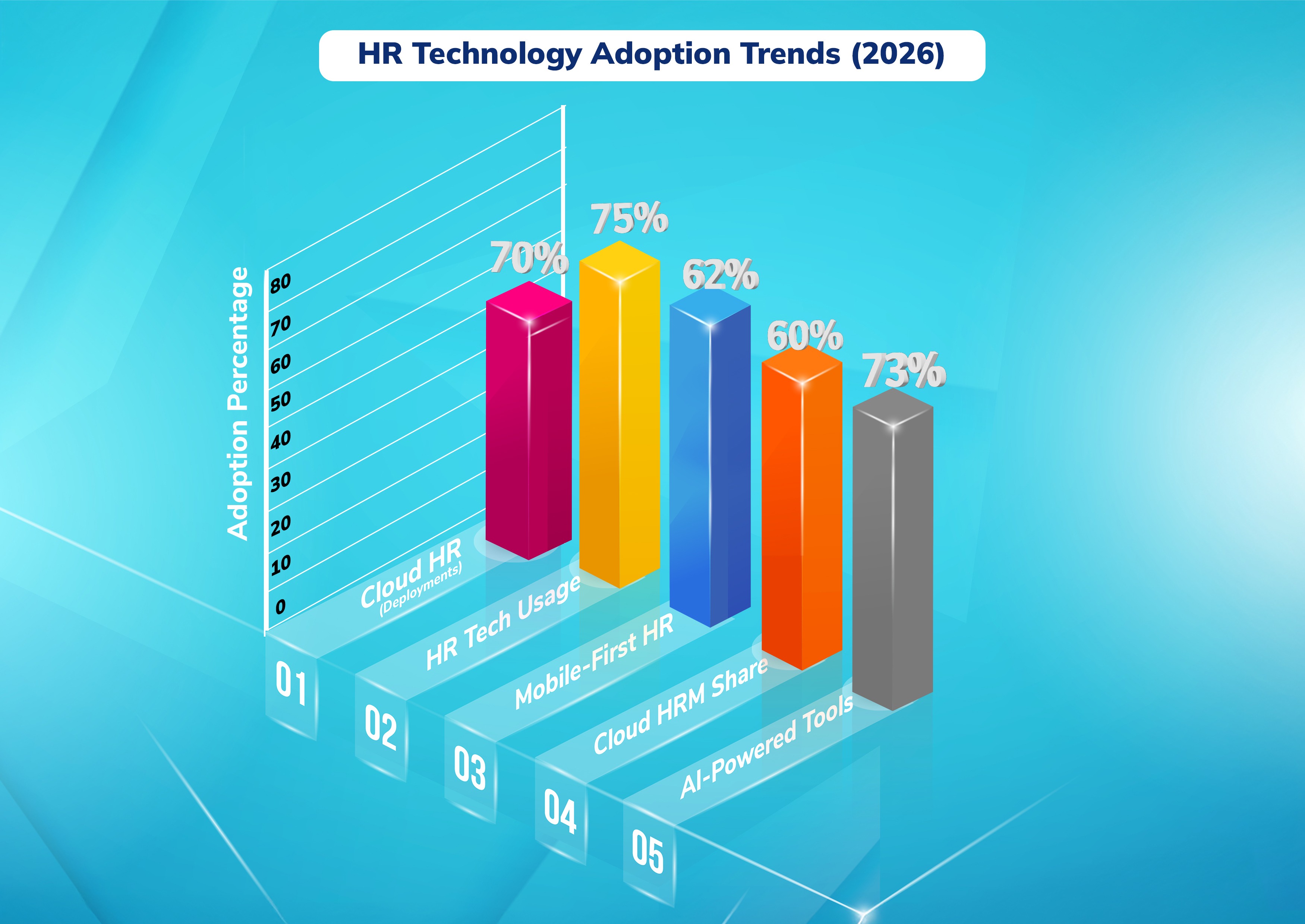
However, choosing the right HRMS solution depends heavily on organizational size, operational requirements, and budget constraints. According to industry reports, nearly 75–80% of organizations globally now use HR technology solutions such as HRMS or payroll platforms as part of their HR tech stack, highlighting the growing reliance on digital HR systems.
This article presents a structured and comprehensive comparison of leading HRMS solutions in India, including DigiSME, Keka, Zoho People, Darwinbox, greytHR, and PagarBook. It focuses on two critical dimensions—core HR features and pricing structure—to help businesses understand how these platforms differ, where they excel, and how they support long-term HR strategy and execution.
Market Growth and Adoption Trends
The HR software industry is evolving rapidly, driven by organizations’ increasing demand for automation, efficiency, and strategic workforce management. Understanding these trends provides valuable context for comparing the top HRMS solution providers in India.
Rapid Market Expansion
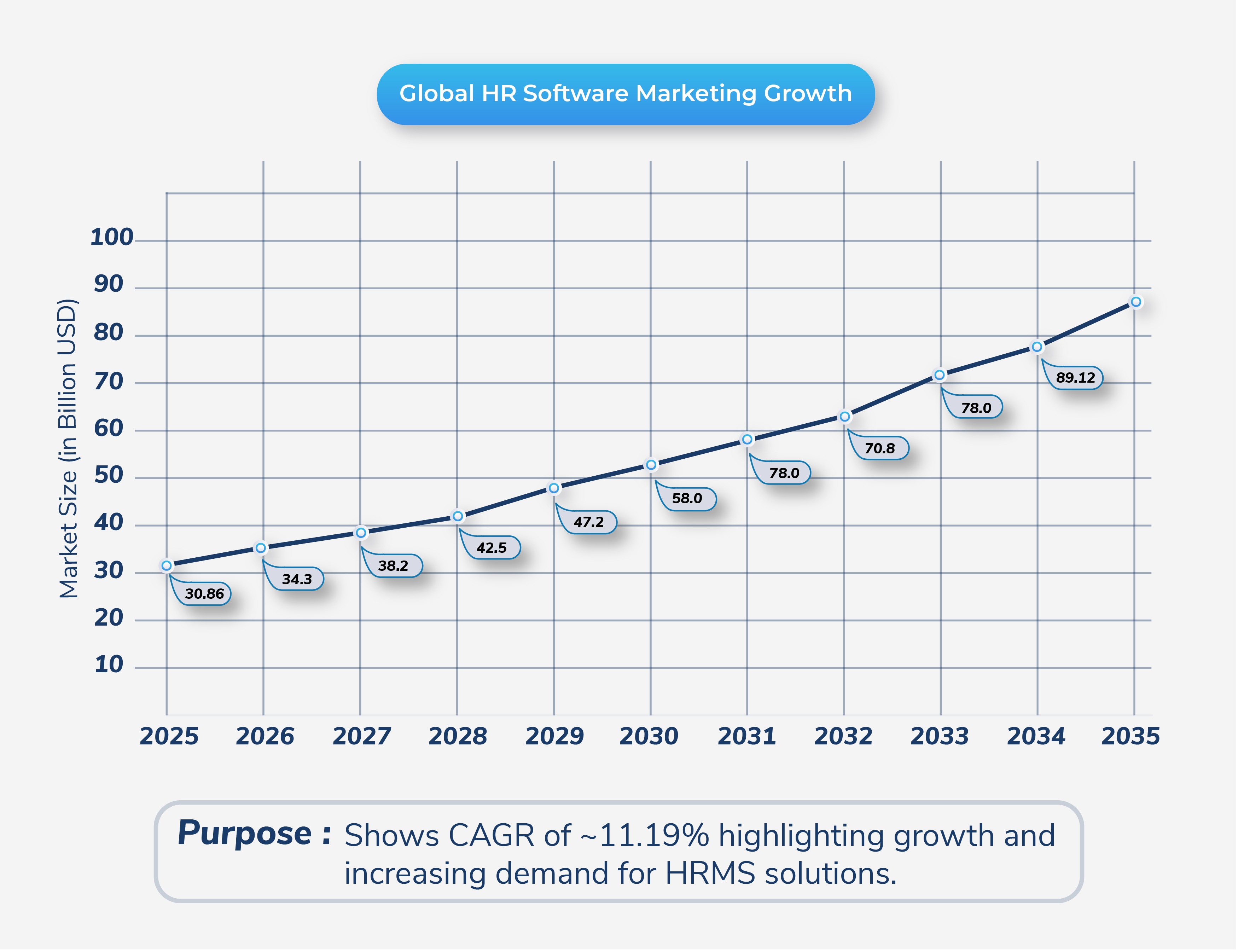
Globally, the HR software market is projected to grow from USD 30.86 billion in 2025 to USD 89.12 billion by 2035, registering a strong compound annual growth rate (CAGR) of 11.19%. This rapid growth reflects the increasing demand for platforms that consolidate payroll, recruitment, performance management, and compliance into a unified HR system.
As a result, businesses are actively moving away from fragmented tools toward integrated HRMS platforms that reduce manual intervention and improve decision-making.
Shift Toward Cloud-Based HRMS Solutions
In addition, more than 70% of new HR software investments in 2024 were directed toward cloud-based deployments. This shift highlights a strong preference for flexible, scalable, and easily accessible systems.
Cloud-based HRMS platforms support remote and hybrid work environments, provide real-time access to HR data, and significantly reduce IT maintenance overhead. Consequently, cloud adoption has become a key decision factor for modern HR leaders.
Strategic Importance of HRMS
As businesses adapt to new ways of working, HRMS platforms are no longer limited to administrative functions. Instead, they play a strategic role in productivity, employee engagement, and workforce planning. By automating routine tasks, enabling employee self-service, and delivering real-time insights, HRMS solutions help organizations stay agile and connected—regardless of workforce location or structure.
Feature Comparison:
1. Attendance and Time Tracking
Attendance management forms the foundation of any HRMS. However, the depth and sophistication of features vary significantly across platforms.
DigiSME offers advanced attendance management through biometric systems, mobile-based face recognition, GPS location capture, geo-fencing, offline clock-in, anti-spoofing technology, and live map views. Even without internet connectivity, attendance data remains accurate and secure. Moreover, real-time mobile tracking, detailed reports, and seamless integration with payroll and leave modules enable complete HR automation.
In comparison, Keka provides biometric and mobile attendance tracking with real-time synchronization and geolocation. While it integrates well with leave and payroll modules, offline clock-in and advanced anti-spoofing are typically unavailable in lower-tier plans.
Zoho People supports GPS-enabled clock-in/out and offline attendance through its mobile app, syncing data once connectivity is restored. However, full payroll workflows depend on integration with Zoho Payroll.
Meanwhile, Darwinbox delivers enterprise-grade attendance tracking with real-time geo-monitoring, usually available in higher-tier plans. greytHR offers biometric and mobile attendance with strong payroll integration, whereas PagarBook provides basic attendance features suitable mainly for small teams.
2. Payroll and Statutory Compliance
Payroll systems must go beyond salary calculations to address statutory compliance, especially in the Indian regulatory landscape.
DigiSME includes native payroll functionality with automated calculations, attendance integration, audit trails, and export capabilities. It supports PF, ESI, TDS, and other statutory components, along with real-time payslip generation.
Similarly, Keka delivers a robust payroll engine with built-in Indian statutory compliance. greytHR is particularly well-known for its compliance strength, statutory filings, and detailed payroll structures.
On the other hand, Zoho People requires a separate Zoho Payroll module for complete payroll and compliance workflows. Darwinbox supports complex payroll rules and global compliance but is typically suited for large enterprises. PagarBook offers basic payroll automation with limited statutory depth.
Analysis: While greytHR and Keka perform strongly in compliance-heavy environments, DigiSME effectively combines payroll automation with attendance integration, making it especially practical for Indian SMBs.
3. Leave Management and Approval Workflows
Efficient leave management ensures consistency, transparency, and policy enforcement.
DigiSME supports multi-level approval workflows for leave, claims, and HR requests directly within the core platform. Push notifications and mobile approvals further streamline decision-making.
Keka offers configurable leave policies and approval chains, tightly integrated with attendance and payroll. Zoho People provides highly customizable workflows using its Blueprint engine, while Darwinbox delivers enterprise-grade workflow builders with advanced conditional routing.
In contrast, greytHR and PagarBook focus on standard leave tracking with comparatively simpler workflows.
4. Employee Self-Service and Mobile Experience
Mobile accessibility plays a crucial role in HRMS adoption and daily usage. DigiSME provides a full-featured mobile app covering attendance, leave, claims, payslips, and approvals, along with real-time alerts and offline support where applicable.
Similarly, Keka and Zoho People offer comprehensive mobile self-service features. Darwinbox extends its mobile experience to surveys, engagement tools, and analytics, whereas greytHR and PagarBook focus on basic ESS functionality.
5. Advanced HR Features
Beyond core HR, advanced modules deliver greater organizational value.
DigiSME includes field staff tracking (as an add-on), mobile-based claims processing, appraisal management, ATS, and LMS modules. Keka offers performance management, OKRs, recruitment tools, and dashboards. Zoho People and Darwinbox provide extensive ecosystems covering talent management, analytics, and learning.
By contrast, greytHR and PagarBook remain primarily focused on payroll and attendance.
Platform Overview
| Platform | Best For | Core Strength |
|---|---|---|
| DigiSME | SMBs & Field Teams | Attendance, Payroll, Field Tracking |
| Keka | Mid-Size Firms | Payroll, Performance Management |
| Zoho People | SMEs | Flexible HR Automation |
| greytHR | Compliance-Focused SMEs | Payroll & Statutory Compliance |
| PagarBook | Micro Businesses | Simple Payroll & Attendance |
| Darwinbox | Large Enterprises | Enterprise HR & Analytics |
Pricing Comparison:
Pricing remains a critical factor, particularly for small and mid-sized businesses seeking cost efficiency.
DigiSME follows a bundled pricing model, where core HR, attendance, payroll, and workflows are typically included in a single plan. This significantly reduces total ownership cost and simplifies budgeting.
In contrast, Keka and Zoho People use per-employee pricing, with advanced modules charged separately. Darwinbox operates on enterprise-level custom pricing, while greytHR offers mid-range plans focused on compliance. PagarBook targets micro businesses with entry-level pricing.
Indicative Pricing Comparison Table
| Platform | Pricing Model | Typical Tier / Entry Cost | Best Fit |
| DigiSME | Package + Add‑Ons + Per‑Employee | ₹1,000–₹3,750/mo + ₹35+/emp | SMBs, Mobile/Field Teams |
| Keka | Fee for Up to ~100 Employees | ₹9,999–₹15,999/mo for 100 emp | Mid‑Size Firms |
| Zoho People | Monthly Fee Per User | ₹60–₹240/user/mo | Startups & SMEs |
| Zoho Payroll | Monthly Package Fee | ₹0–₹4,000/mo | Payroll for Indian Compliance |
| Darwinbox | Custom Enterprise Pricing | Quote-Based, ~High | Large Enterprises |
| greytHR | Plan Based on Company Size | ₹3,495–₹7,495/mo | Payroll + Compliance Focus |
| PagarBook | Simple Flat or Custom | ₹499/yr–₹6,999/yr | Micro & Small Businesses |
Note: Prices are indicative starting ranges based on commonly published plans and market averages. Actual pricing may vary by employee count, modules selected, and contract terms.
Conclusion
In today’s competitive business landscape, selecting the right HRMS is not merely a software decision—it is a strategic investment that directly impacts efficiency, compliance, and employee engagement. While platforms such as Keka, Zoho People, Darwinbox, greytHR, and PagarBook each offer valuable capabilities, their suitability varies based on organizational size, workforce structure, and budget priorities.
Among these, DigiSME stands out as a strong choice for Indian SMEs, offering a comprehensive yet cost-effective HRMS that seamlessly integrates attendance, payroll, leave management, and workflow automation. Features such as offline attendance capture, GPS and face recognition, field staff tracking, and multi-level approvals make it particularly effective for mobile and distributed teams.
By combining affordability with robust functionality, DigiSME not only simplifies daily HR operations but also supports long-term workforce strategy, making it a reliable and scalable HRMS solution for growing businesses.
Frequently Asked Questions
Is an all-in-one HRMS more cost-effective than modular pricing?
Yes, all-in-one or bundled HRMS plans often lower total ownership costs by reducing add-on expenses and simplifying implementation and budgeting for growing businesses.
What makes payroll and compliance features critical in Indian HRMS software?
Indian businesses must manage PF, ESI, TDS, and other statutory requirements. An HRMS with built-in compliance reduces errors, ensures timely filings, and minimizes regulatory risks.
How do I choose the right HRMS for my organization?
The right HRMS depends on your company size, workforce type, compliance needs, and budget. SMBs often benefit from bundled, easy-to-deploy platforms, while large enterprises may require highly customizable, enterprise-grade solutions.
