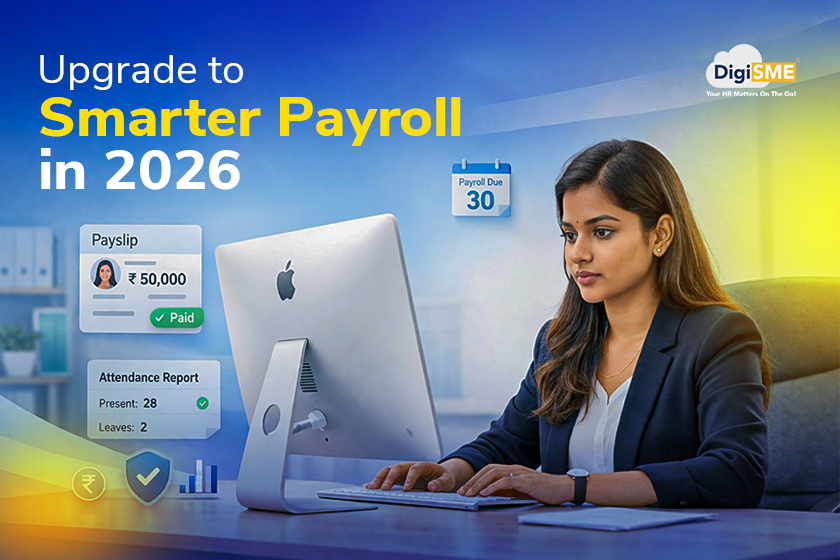
In 2026, the global payroll ecosystem is evolving faster than ever, fueled by automation, cloud-based platforms, and next-generation payroll software solutions. According to market research, the HR payroll software market is projected to reach USD 31 billion, up from $28.33 billion in 2025, driven by the demand for digital transformation and automated compliance solutions.
Moreover, businesses of all sizes are adopting payroll management software in order to reduce costs, improve accuracy, and maintain compliance. Whether you run a startup with a dozen employees or manage a large enterprise, modern payroll processing tools are no longer optional — they are ultimately essential for operational efficiency.
Therefore, this guide walks you through the most effective payroll best practices for 2026, providing practical strategies and tech-savvy tips so that you can optimize your employee payroll management software and streamline your payroll workflow.

Table of Contents
- 1. Choose the Right Payroll Software for Your Business
- 2. Embrace Cloud-Based and Online Payroll Management Software
- 3. Automate Payroll Processing to Eliminate Manual Errors
- 4. Integrate Payroll with Time Tracking and HR Systems
- 5. Prioritize Security and Compliance
- 6. Enable Employee Self-Service Through Payroll Systems
- 7. Regularly Train Your Payroll Team on Software Features
- 8. Conduct Periodic Audits and Reviews of Payroll Processes
- 9. Consider Flexibility and Cost-Effectiveness with Payroll Tools
- 10. Payroll Software Frequently Asked Questions
1. Choose the Right Payroll Software for Your Business
The foundation of efficient payroll starts with selecting the right payroll software. For instance, for small businesses, even free payroll software can manage basic payroll tasks like tax calculations, direct deposits, and benefits management. Large organizations, on the other hand, may need comprehensive enterprise solutions that integrate with HR, accounting, and time-tracking systems.
For example, a mid-sized company with 200 employees reduced payroll errors by 30% after switching from manual spreadsheets to an automated payroll management software system. Additionally, modern tools offer customizable workflows that save time and ensure compliance with evolving regulations.
2. Embrace Cloud-Based and Online Payroll Management Software
Cloud-based online payroll management software is dominating the market in 2026. These platforms not only provide flexibility, secure access from any device, but also offer automatic updates — perfect for remote or hybrid workforces.
Furthermore, according to industry insights, over 60% of businesses now prefer cloud payroll solutions because of their scalability and reliability. In addition, centralized data storage ensures consistent payroll processing across multiple locations, while integrated compliance logic reduces the risk of regulatory penalties.
3. Automate Payroll Processing to Eliminate Manual Errors
Manual payroll processing is prone to mistakes and consumes valuable time. Consequently, automating your payroll processing tasks with payroll management software ensures accurate calculations for salaries, deductions, and taxes.
Moreover, AI-enabled payroll tools can detect inconsistencies or predict errors before they impact employees. For instance, companies using AI-driven payroll systems report a 25–40% reduction in payroll discrepancies, according to recent payroll automation statistics, allowing HR teams to spend more time on important strategic tasks.
4. Integrate Payroll with Time Tracking and HR Systems
Payroll works best when it’s connected. Hence, integrating your payroll software with time tracking, attendance systems, HR platforms, and accounting tools eliminates redundant data entry and reduces errors. For example, an organization tracking overtime manually often miscalculates pay, causing employee dissatisfaction. However, with integrated systems, hours worked automatically feed into payroll calculations, ensuring accurate pay for both full-time and part-time staff. This way, it creates a unified employee database and streamlines all administrative processes.
5. Prioritize Security and Compliance
Payroll data includes sensitive information — employee IDs, bank details, tax records, and more. Therefore, choosing payroll software with strong encryption, multi-factor authentication, and secure storage is critical.
In addition, with tax laws and labor regulations constantly evolving, a system that automatically updates tax tables and compliance rules is essential. As a result, businesses using advanced payroll systems in 2026 report fewer compliance penalties and enhanced employee trust due to the protection of their private information.
6. Enable Employee Self-Service Through Payroll Systems
Employee self-service portals are a game-changer. Specifically, employee payroll management software allows staff to access payslips, tax forms, and benefits information independently. Consequently, this reduces HR inquiries and empowers employees. For example, one mid-sized company noted a 50% reduction in payroll-related questions after enabling self-service dashboards, thereby freeing HR teams to focus on strategic projects.
7. Regularly Train Your Payroll Team on Software Features
Even the best tools won’t deliver full value without proper training. Therefore, ensuring your HR and finance teams are well-versed in your payroll management software is a key 2026 best practice. Moreover, training should cover automation workflows, compliance updates, error detection, reporting tools, and integration features. Thus, companies that invest in staff training see higher efficiency and fewer mistakes, maximizing the return on their payroll software investment.
8. Conduct Periodic Audits and Reviews of Payroll Processes
Regular audits ensure accuracy and compliance. Even so, reviewing payroll processes periodically helps detect errors, confirm correct deductions, and identify areas for improvement. For instance, a quarterly audit can catch discrepancies in overtime pay or benefits calculations before they escalate into larger issues. Additionally, proactive audits allow businesses to adjust processes in response to regulatory changes, ensuring smooth payroll processing throughout the year.
9. Consider Flexibility and Cost-Effectiveness with Payroll Tools
Not all businesses need the same level of sophistication. Hence, for small teams, free payroll software or affordable online solutions can manage payroll efficiently without significant upfront costs. As a business grows, you can scale to more advanced payroll management software that supports multi-location operations, advanced compliance, and automation features. Therefore, flexible payroll solutions help you stay efficient and cost-effective at every stage of growth.
Conclusion
Effective payroll management in 2026 goes beyond paying employees on time. Indeed, it’s about integrating smart systems, automating complex tasks, protecting sensitive data, and improving transparency. Consequently, modern payroll software make payroll processing faster, more accurate, and fully compliant.
With digital solutions like Digisme, businesses can transform payroll into a strategic advantage — thus improving accuracy, saving time, and ensuring employee satisfaction. Whether you are starting small with basic tools or scaling to advanced systems, adopting the right payroll best practices today sets you up for operational success tomorrow.
Take the first step toward smarter payroll management — explore the latest payroll tools and make payroll seamless for your business in 2026!
Payroll Software Frequently Asked Questions
Is payroll software easy to use for someone with no accounting background?
Yes, most modern systems have user‑friendly interfaces designed for non‑accountants.
Can I access payroll software on my phone or tablet?
Most online payroll systems offer mobile access for convenience.
Can payroll software calculate taxes and deductions automatically?
Yes,some payroll systems automatically calculate, and update tax withholdings based on current regulations.
Does payroll software keep employee information safe and secure?
Yes, reliable payroll software uses encryption and access controls to protect sensitive data.
