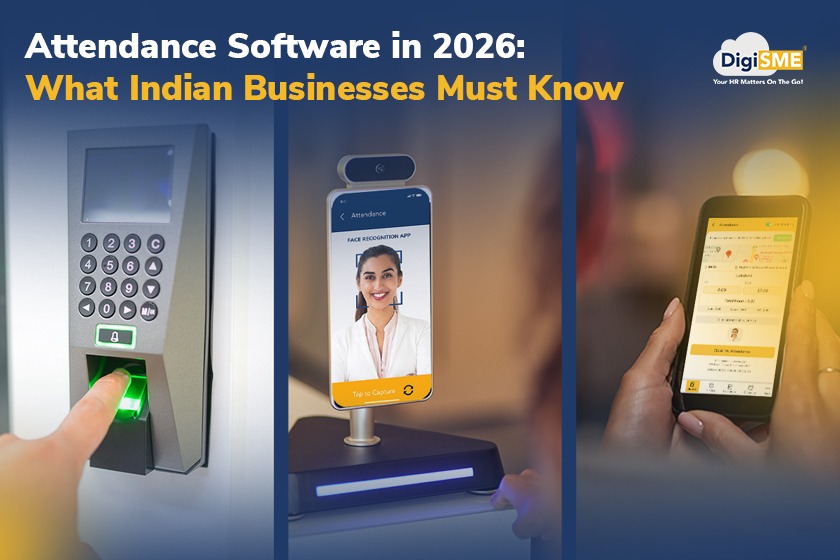
In 2026, India’s workforce is undergoing a transformational shift, as technology redefining how work gets done. According to the India Skills Report 2026, over 40% of India’s IT and gig workforce now uses AI tools to automate tasks and improve productivity — which is a clear indication that digital adoption has become central to everyday business operations across industries.
Moreover, as hybrid and remote work models become standard, attendance management is no longer just about marking when an employee is physically present. Today’s tools must cater to flexible schedules, mobile teams, and geographically distributed employees while ensuring accuracy, compliance, and actionable insights. Consequently, this evolution has made attendance software an essential component of modern workforce management rather than a simple administrative utility.
Why Attendance Software Matters in Today’s Work Landscape?
With India’s workforce exceeding 600 million professionals and hybrid work becoming increasingly common, managing attendance has become a complex but critical function. Therefore, organizations now rely on platforms that go beyond basic presence tracking, offering features like biometric authentication, geo-location, automated payroll integration, and AI-based anomaly detection.
Key trends shaping attendance software adoption in India include:
• Companies are increasingly using AI to automate attendance tracking and payroll processes, including anomaly detection and productivity insights.
• Flexible work schedules have become mainstream, requiring tools that adapt to multiple work patterns seamlessly.
•Organizations are investing in mobile-first attendance apps and biometric verification to support field teams and distributed workforces.
As a result, this context highlights that attendance software is no longer a standalone tool; it’s a strategic component of broader HR ecosystems.
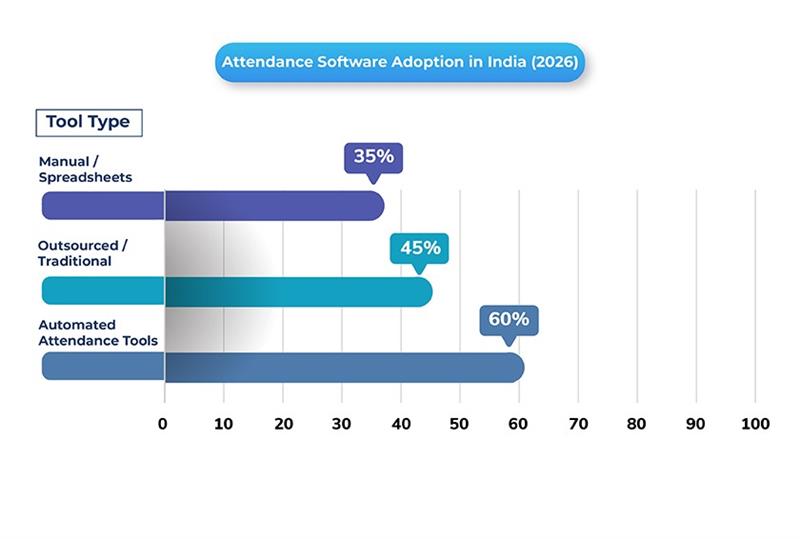
User Reviews of Leading Attendance Platforms in 2026
DigiSME
DigiSME scores around 4.3–4.5 stars on Trustpilot, while users praising its intuitive interface, mobile attendance features with GPS and face recognition, and responsive support. Reviewers note that attendance marking, geolocation tracking, and payroll integration work smoothly and significantly improve transparency compared to manual systems. However, a few users mention a learning curve when configuring advanced features.
PagarBook
On Android, PagarBook receives 4.2–4.4 stars, and it is commended for its simple interface and easy setup for attendance and payroll — making it popular among SMEs and field teams. IOS ratings (~3.2/5) indicate occasional reliability and support challenges, which suggests the experience can vary depending on device and business size.
Keka
Keka earns around 4.4/5 across review platforms. Users highlight its strong payroll automation, intuitive UI, and seamless attendance and leave tracking. Nonetheless, some feedback notes slower customer support and occasional mobile app glitches during peak usage.
greytHR
greytHR typically scores 4.1–4.3/5, while positive reviews praise payroll integration, attendance tracking, and detailed reporting. Yet, users request more customization options and improved mobile performance in certain cases.
Darwinbox
Darwinbox maintains ratings around 4.3–4.4/5, and it is praised for end-to-end HR and attendance integration, reliable location tracking, and comprehensive workflows. However, some users note a learning curve for advanced features and occasional performance lag under heavy usage.
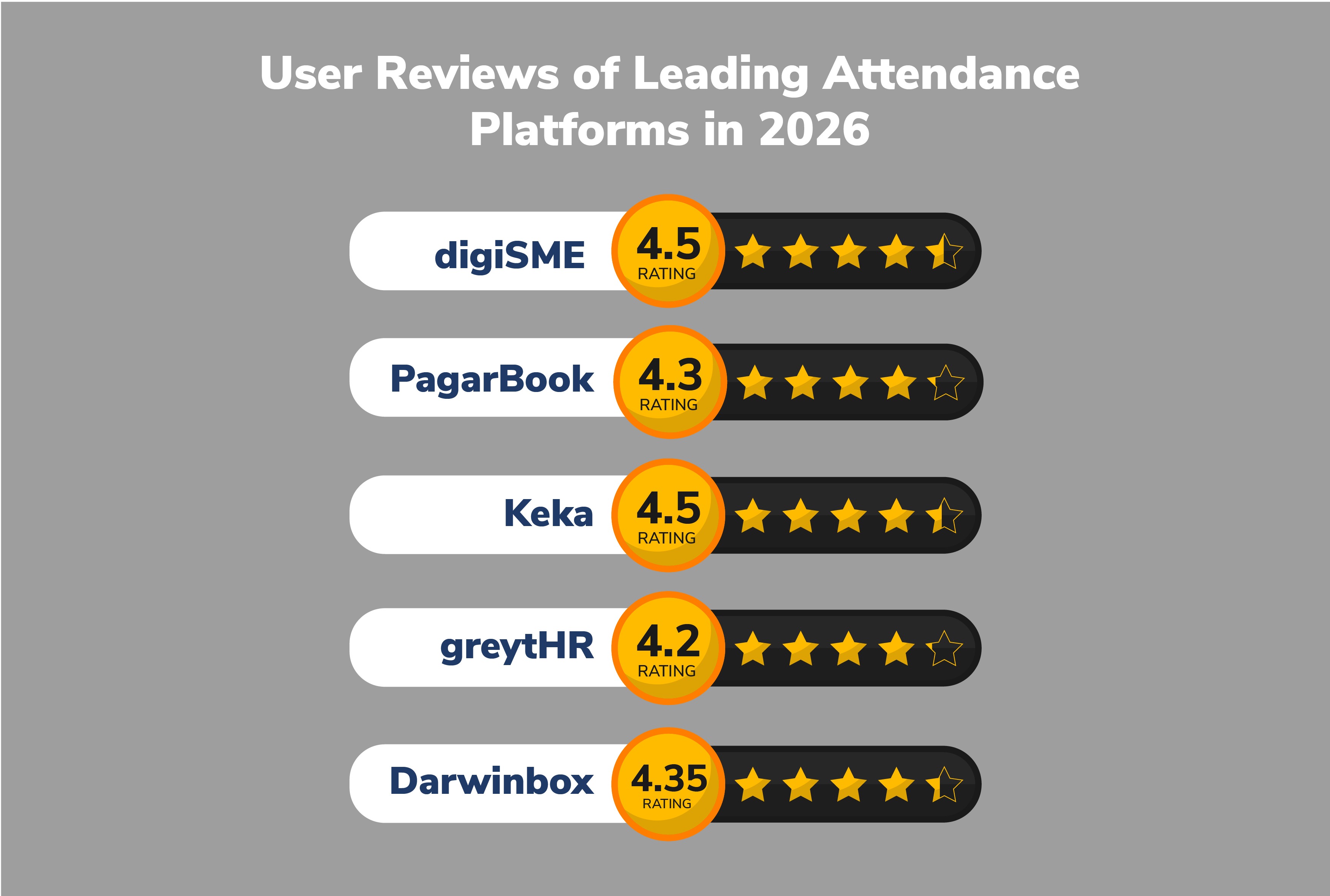
Reality Checks: What Businesses Actually Need?
While flashy features like AI or biometrics can be appealing, Indian companies — from startups to mid-sized enterprises — prioritize systems that solve core business challenges. Specifically:
- Accuracy & Accountability
Attendance data must be precise and trustworthy, including geo-verification, biometric validation, and clear audit logs to support payroll and compliance.
- Seamless Integration & Automation
Attendance systems must sync automatically with payroll, HRMS, and compliance platforms. Otherwise, manual data reconciliation undermines automation benefits.
- Ease of Use Across Workforce Types
Office staff, field employees, and hybrid teams require intuitive software. Otherwise, complex onboarding or manual processes hinder adoption and reduce accuracy.
- Scalability
The system should grow with the business, allowing support for multiple locations, employee categories, and remote work arrangements.
- Insight Over Raw Data
Modern attendance tools provide analytics and insights, which help leaders understand absenteeism trends, resource utilization, productivity patterns, and scheduling efficiency.
Checklist: How to Choose Attendance Software?
Selecting the right attendance platform is crucial for streamlining workforce management, improving compliance, and boosting productivity. Therefore, consider the following factors:
Workforce Type and Attendance Requirements
The first step is understanding the nature of your workforce. Office-based employees, field staff, factory workers, and hybrid teams all have different attendance needs. For example, while desk-based teams may rely on web or desktop logins, field teams require mobile attendance with GPS or geofencing to verify location. Factory environments often need kiosk-based or biometric systems to avoid proxy attendance. Hence, a flexible platform that supports multiple attendance methods ensures accuracy across all roles and locations.
Device Accessibility and Offline Capability
Attendance software should fit seamlessly into how employees already work. Therefore, businesses must assess whether employees will mark attendance using smartphones, shared kiosks, biometric devices, or web portals. Additionally, for remote locations, construction sites, or areas with unstable internet connectivity, offline attendance capability becomes critical. In this way, software that records data offline and syncs automatically when connectivity is restored prevents attendance gaps and disputes.
Payroll and Compliance Integration
One of the biggest advantages of modern attendance systems is automation. Thus, the software should integrate smoothly with payroll and HRMS platforms to ensure attendance data flows directly into salary calculations. Consequently, this helps accurately compute working hours, overtime, leave deductions, and statutory compliance such as PF, ESI, and professional tax. Otherwise, manual data entry increases the risk of pay roll errors and compliance issues.
Ease of Use and Employee Adoption
Even the most advanced system fails if employees struggle to use it. Therefore, attendance software should have a simple, intuitive interface that requires minimal training. Complex workflows reduce adoption, lead to frequent mistakes, and increase dependency on HR teams. Similarly, platforms with clear dashboards, quick check-ins, and easy access to attendance history improve employee participation and reduce administrative friction.
Scalability for Business Growth
Attendance software should support not just current needs, but future expansion. For instance, as businesses grow, they may add new locations, departments, shifts, or hybrid work models. Therefore, a scalable system allows these changes without major configuration overhauls or performance issues. Choosing a platform that adapts to growth helps avoid costly migrations later.
Support, Training, and Implementation
Quality Implementation quality often determines the success of attendance software. Hence, businesses should evaluate whether the vendor provides structured onboarding, training sessions, documentation, and responsive support. Moreover, clear service-level agreements (SLAs) for issue resolution ensure that technical problems do not disrupt daily operations. Ongoing support and regular updates help maintain long-term system reliability.
Data Security and Regulatory Compliance
Attendance systems handle sensitive employee data, including work hours, identity information, and sometimes location data. Therefore, strong data security measures such as encryption, role-based access controls, and audit trails are essential. Additionally, the software should comply with Indian labour laws and emerging data protection regulations. This way, a secure system protects both employee trust and organizational liability.
Reporting, Insights, and Managerial Visibility
Beyond attendance tracking, modern platforms should offer meaningful insights. For example, real-time dashboards, absenteeism trends, overtime analysis, and compliance reports help managers make informed workforce decisions. Thus, data-driven visibility enables better planning, reduces last-minute scheduling issues, and improves productivity across teams.
Custom Policies and Automation Rules
Every organization follows unique attendance and leave policies. Hence, the software should allow custom configurations such as grace periods, shift-based rules, overtime thresholds, and approval workflows. Consequently, automated policy enforcement reduces manual intervention and ensures consistency across departments.
Employee Self-Service and Transparency
Employee self-service features add transparency and reduce HR workload. When employees can view attendance records, apply for corrections, track leave balances, and follow approval statuses on their own, then it minimizes disputes and repetitive queries. In addition, transparency improves trust and accountability across the organization.
Following this checklist ensures businesses select a solution that tracks attendance accurately while supporting strategic workforce management.
Conclusion
Attendance software in India has evolved into a strategic tool that combines accuracy, automation, and analytics to support hybrid teams, ensure compliance, and provide actionable insights. Moreover, features like mobile-first attendance, biometric verification, geo-tracking, and AI-powered anomaly detection have become standard expectations for modern organizations.
Among all options, DigiSME stands out for its intuitive interface, robust mobile and GPS attendance features, and seamless integration with payroll and HR systems. By offering reliability, transparency, and strategic insight, DigiSME empowers businesses to optimize productivity, build trust, and make informed workforce decisions with confidence. Therefore, for Indian companies navigating the dynamic work landscape of 2026, DigiSME represents not just a software tool but a trusted partner in workforce management.
Frequently Asked Questions
Why is tracking employee attendance important for Indian businesses in 2026?
Accurate attendance tracking ensures compliance, productivity, and transparency, especially for hybrid and remote teams across India.
How does attendance software improve workforce management?
It automates tracking, integrates with payroll/HRMS, and provides insights for better decision-making and reduced manual errors.
Can attendance software work for remote and field employees?
Yes. Modern attendance platforms support mobile check-ins with GPS or geofencing, offline data capture, and cloud synchronization. This ensures remote and field teams are tracked accurately without manual intervention.
How does attendance software integrate with payroll and HRMS?
Attendance data automatically flows into payroll and HRMS systems, calculating working hours, overtime, leaves, and statutory compliance like PF, ESI, and professional tax. This reduces errors and saves administrative time.
